Engie IT

Engie’s IT teams play a vital role in supporting the company’s operations and strategic objectives across the energy sector. They focus on various aspects of information technology, including infrastructure management, application development, cybersecurity, and data analytics.

By ensuring a robust and secure IT infrastructure, these teams facilitate efficient operations across different regions and business units, which is essential for meeting the diverse needs of Engie's global operations.

Customer Challenge

The France Renouvelable entity at Engie faced challenges stemming from outdated infrastructure. Its legacy WordPress websites, hosted on Azure virtual machines, struggled with scalability, lacked a modern architecture, and were not cost-efficient. These limitations hindered the entity's ability to adapt to growing demands and evolving operational requirements.

To overcome these challenges and secure a more sustainable digital presence, a modernization initiative is underway to transition these websites to a state-of-the-art, containerized architecture. This transformation is aimed at achieving greater resilience, superior performance, and more efficient operations.

The modernization process involves adopting container orchestration platforms such as Kubernetes or Docker, which enable dynamic resource allocation, enhanced fault tolerance, and simplified application lifecycle management. By leveraging this containerized framework, Engie IT aims to enhance deployment flexibility, facilitate continuous integration and continuous delivery (CI/CD), and minimize operational overhead. Additionally, this architecture supports seamless integration with cloud-native services, ensuring that the websites can adapt to evolving business and technological needs.

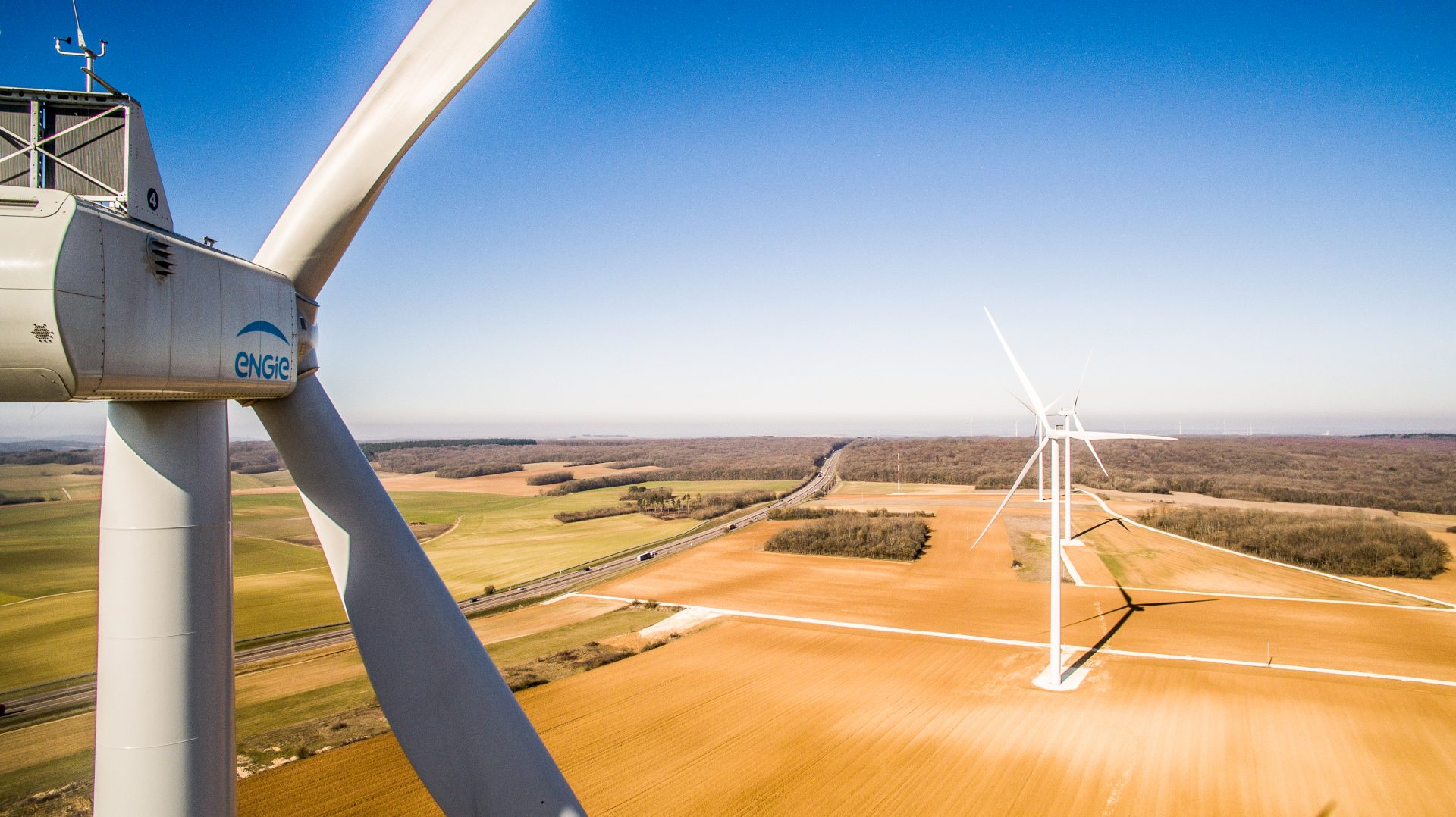
Beyond the technical advancements, this initiative aligns with Engie's overarching digital transformation strategy. It underscores the organization's commitment to delivering an improved user experience, optimizing IT energy efficiency, and maintaining its competitive advantage in the renewable energy sector. By embracing these modern technologies, Engie Green's digital platforms will become a cornerstone for stakeholder engagement, showcasing innovative solutions, and driving sustainable growth.
Customer Challenge

Move2Cloud Approach

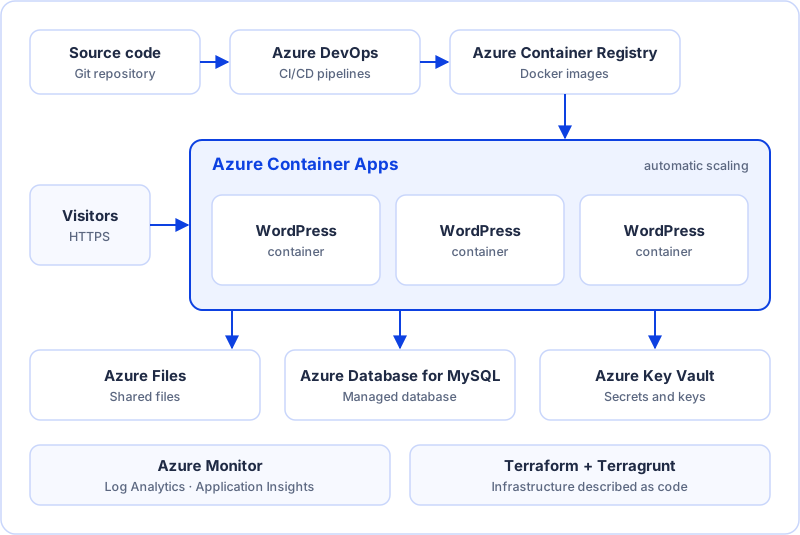
The technical design for migrating Engie Green's WordPress sites to a modern containerized architecture is built for high availability, scalability, and resilience, leveraging Azure cloud-native technologies:
Move2Cloud Approach
Dockerizing the WordPress Website: The first step is to containerize the existing WordPress site by creating Docker images. This packaging includes all dependencies, making the application portable and easier to manage. The Docker images will be stored in Azure Container Registry (ACR), a secure and scalable environment for image storage, then run on Azure Container Apps.
Decoupling File Systems: To improve resilience, the solution will decouple file systems from the local virtual machines. Instead of relying on local files, an Azure Files share will be set up, giving several containers shared access. This setup improves fault tolerance and scalability.
Deploying Databases on Azure Database for MySQL: The databases will be migrated to Azure Database for MySQL. This managed database service provides high availability, automated backups and scalability, reducing the operational burden of managing database instances manually.
Creating Infrastructure with Terraform and Terragrunt: To automate the setup of the required Azure infrastructure, Terraform modules will be used together with Terragrunt. This approach treats infrastructure as code (IaC), providing version control, modularity and reusable configurations. Terragrunt will help manage and maintain the Terraform configurations, keeping environments consistent and simplifying deployment.
Implementing CI/CD Pipelines: To streamline development and deployment, continuous integration and continuous deployment (CI/CD) pipelines will be set up with Azure DevOps (Azure Pipelines). This automation makes regular updates and deployments easier, so the websites can be improved quickly and efficiently.
Database Migration with Azure Database Migration Service: To migrate the existing database to Azure Database for MySQL, Azure Database Migration Service (DMS) will be used. It simplifies the migration, enabling a smooth data transfer with minimal downtime and keeping the database available throughout the transition.
File Synchronization with AzCopy: To keep file systems in sync during the migration, AzCopy will be used. This tool automates and speeds up the transfer of large amounts of data to Azure storage, ensuring all required files are up to date and accessible.
Securing Secrets with Azure Key Vault: To strengthen security, sensitive information such as database credentials, API keys and other secrets will be managed with Azure Key Vault. This service provides secure storage and retrieval of secrets, as well as their rotation. It also manages the keys used to encrypt sensitive data at rest, adding a further layer of protection.
Monitoring with Azure Monitor: Finally, Azure Monitor will be used to monitor the whole architecture. With Log Analytics and Application Insights, it provides insight into application performance, resource usage and operational health, enabling proactive management and a fast response to any issue.
Move2Cloud Approach

Conclusion

This Move2Cloud approach modernizes Engie Green's websites while establishing a robust, resilient infrastructure capable of adapting to future demands — with the highest standards of security and performance.

À propos de nousNous contacter

Go further

AWS IAM Security: 10 Essential Best PracticesCloud

AWS IAM Security: 10 Essential Best Practices

IAM misconfiguration is the number-one cause of AWS security incidents. Here are the 10 practices that every team must apply to secure their AWS environment.

GitHub Actions Self-Hosted Runners: Secure Deployment on AWSCloud

GitHub Actions Self-Hosted Runners: Secure Deployment on AWS

GitHub-hosted runners have limits: cost, private network access, performance. Self-hosted runners on EC2 solve these problems — provided you secure them properly.

Cutting Your AWS Bill by 30 to 40%Whitepaper

Cutting Your AWS Bill by 30 to 40%

A practical guide to combining pricing commitments, rightsizing, and automation — turning FinOps into a continuous discipline rather than a one-off audit.