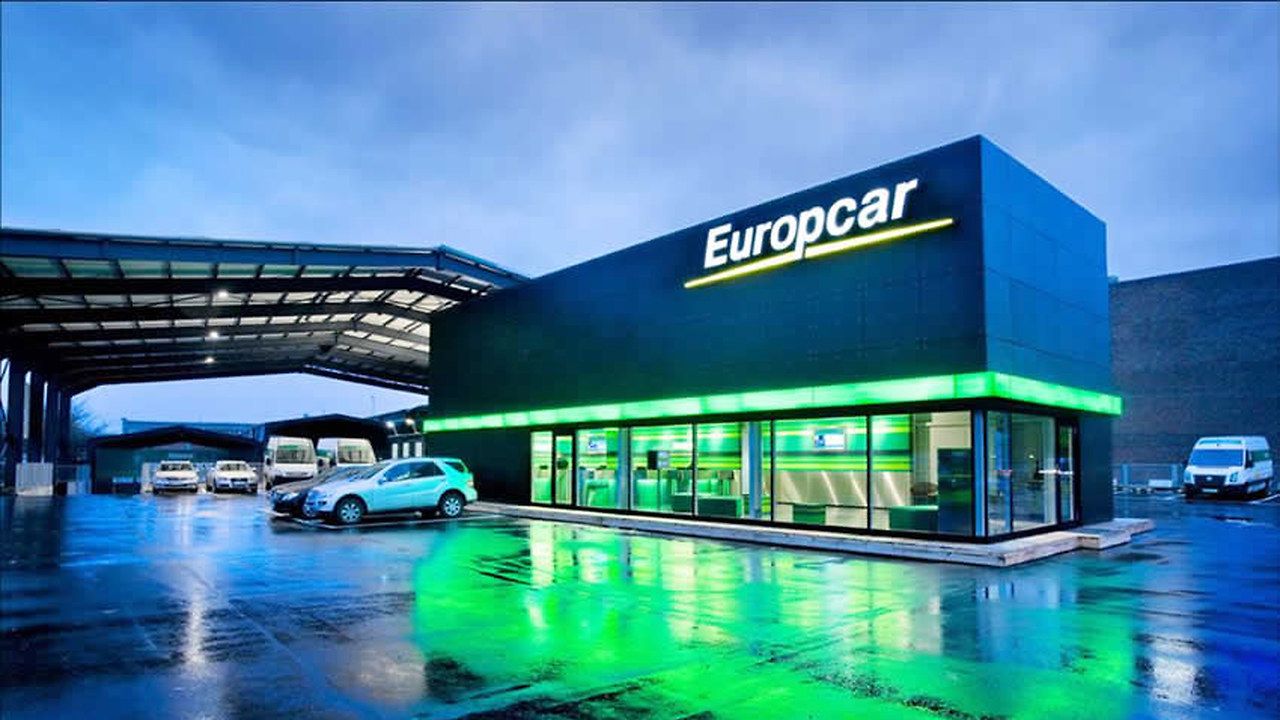
Europcar Mobility Group

As part of their digital transformation, Europcar Mobility Group is shifting to a cloud-native architecture by migrating monolithic applications to microservices orchestrated with Kubernetes.

This transition enhances scalability by allowing services to automatically scale based on demand, improves deployment speed through automated CI/CD pipelines that streamline code delivery, and boosts resource efficiency by containerizing workloads to optimize cloud usage.

Customer Challenge

Europcar Mobility Group runs several brands, across several regions, with highly seasonal activity. Its platform has to absorb booking peaks without oversizing the infrastructure for the rest of the year, while remaining reliable and secure.

Moving from legacy monolithic systems to microservices multiplies the components to deploy and connect. At that scale, orchestrating, monitoring and securing containers becomes a subject in its own right.

Running the services of several brands on the same platform means isolating them from one another, while ensuring high availability across all environments and without adding administrative overhead.

The teams had little in-house Kubernetes expertise. The challenge was therefore not only to build the platform, but to run it day to day and hand over the skills to operate it.

Customer Challenge

Move2Cloud Approach

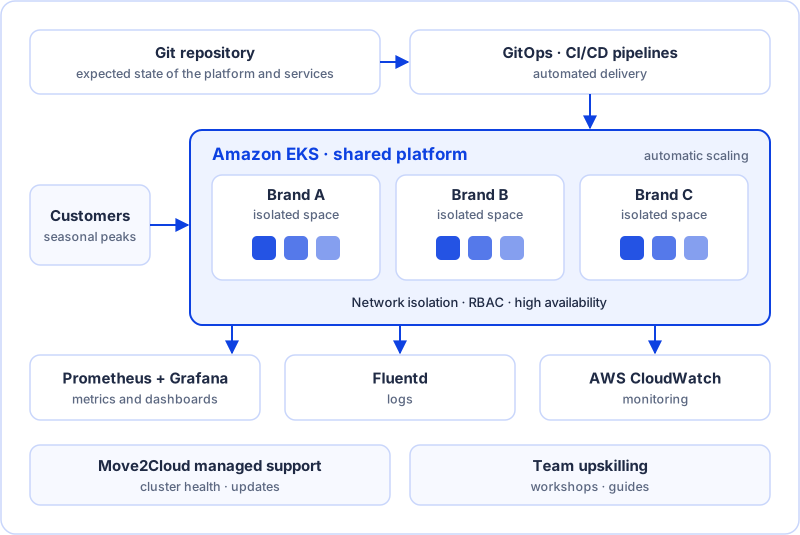
Move2Cloud designed a shared Kubernetes platform on Amazon EKS with Europcar, then supported its operation. The approach is built around isolation between brands, elasticity and delivery automation:
Move2Cloud Approach
Assessment & roadmap: Move2Cloud began with an assessment of Europcar's existing infrastructure and application landscape. It led to a roadmap for splitting into microservices and adopting Kubernetes, tailored to business and technical priorities.
Multi-tenant architecture on Amazon EKS: The platform relies on Amazon EKS to manage Kubernetes clusters. It was designed to host the services of several brands and regions, with network isolation, secure multi-tenant deployments and high availability.
Elasticity through seasonal peaks: Capacity adjusts automatically to load: the platform scales up during periods of high demand and back down afterwards. Europcar gains agility and cost-efficiency without compromising reliability.
GitOps delivery: GitOps workflows were set up with CI/CD pipelines integrated with Kubernetes. The expected state of the platform and services is described in Git, which automates the delivery of infrastructure as well as applications and makes deployments fast and safe.
Monitoring, logging & security: To ensure stability and security, Move2Cloud integrated Prometheus, Grafana, Fluentd and AWS CloudWatch. RBAC policies and security best practices were applied at cluster level.
Team upskilling: Hands-on workshops, guides and onboarding sessions helped Europcar's internal teams get to grips with Kubernetes, reduced resistance to change and built ownership of the platform.
Managed operations & support: After the migration, Move2Cloud provided managed support services: cluster health monitoring, rolling out updates, evolving the platform. Continuous improvement cycles were put in place to keep it progressing over time.
Move2Cloud Approach

Conclusion

With a shared Kubernetes platform on Amazon EKS, Europcar runs its brands' services on a common, elastic and monitored foundation. GitOps delivery made deployments fast and safe, and Move2Cloud's managed support handles operations while internal teams build their skills.

À propos de nousNous contacter

Go further

Kubernetes vs Docker Swarm: Which Orchestrator to Choose?Kubernetes & Conteneurs

Kubernetes vs Docker Swarm: Which Orchestrator to Choose?

Docker Swarm is simple, Kubernetes is powerful. In 2025, which should you choose? A pragmatic comparison to help you decide based on your real needs.

AWS EKS Auto Mode: Simplifying Kubernetes Management in ProductionCloud

AWS EKS Auto Mode: Simplifying Kubernetes Management in Production

EKS Auto Mode, launched in late 2024, fully delegates node group management, networking and storage to AWS. Here is what that changes for DevOps teams.

Upgrading KubernetesWhitepaper

Upgrading Kubernetes

An operational guide to absorbing the pace of three minor releases a year without a maintenance window: compatibility, cutover strategies, controlled draining and automation.